
Navigating Beauty
A Walking Tour of CNU's Campus Collection
You are invited to take a walking tour of CNU’s public sculpture collection. Enjoy inspirational, one-of-a-kind works of art that enrich one of the nation’s most beautiful college campuses.
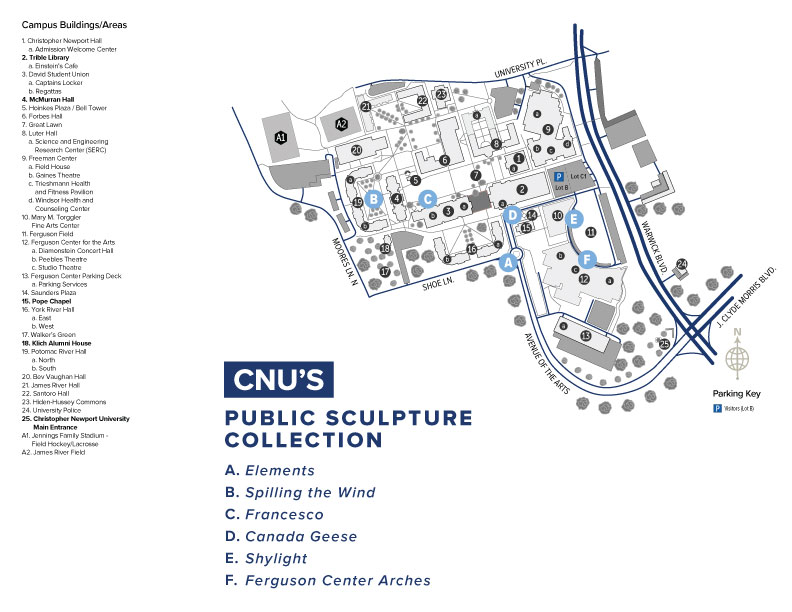
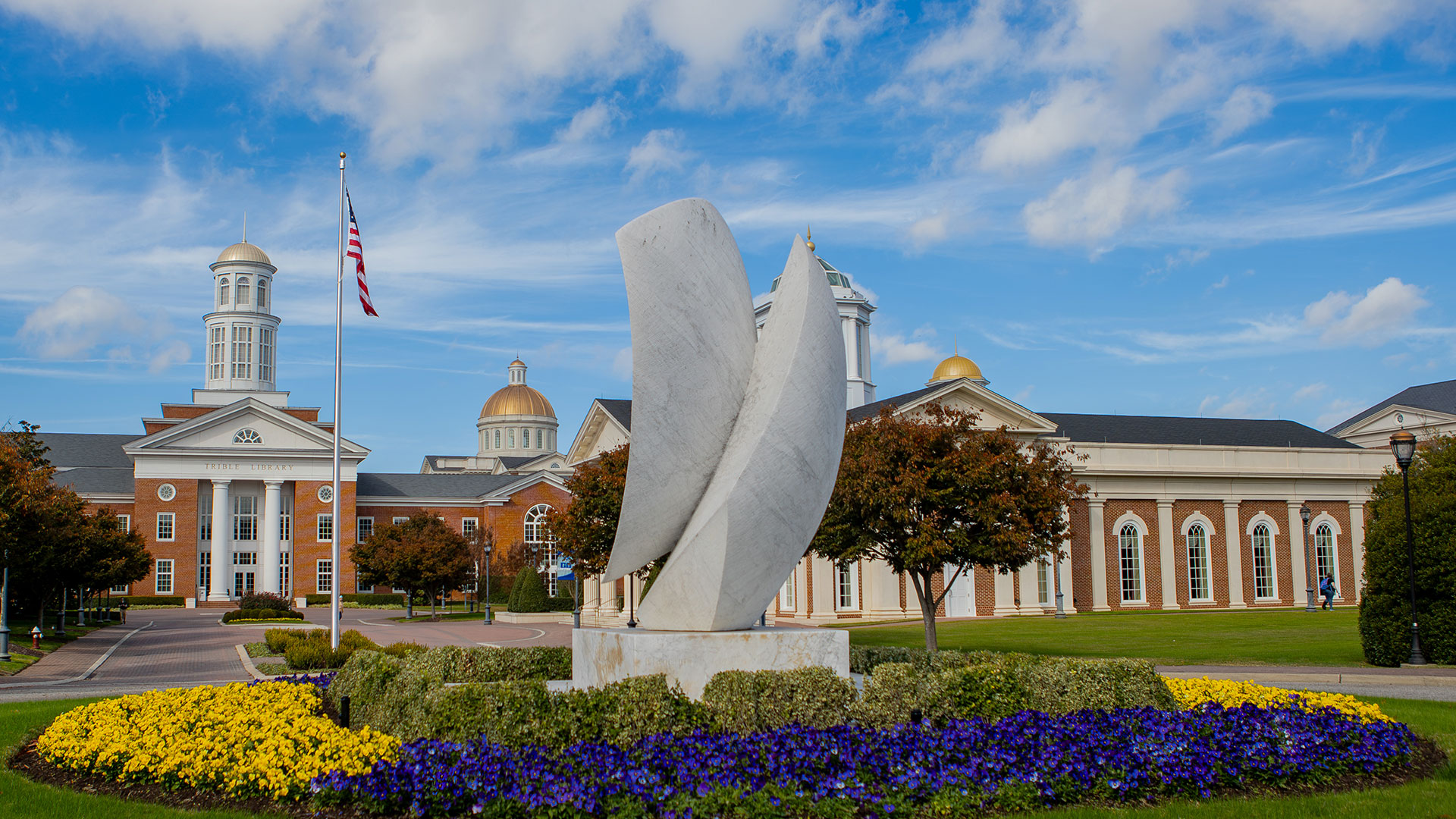
Elements by Inger Sannes
- Elements was installed in 2008 after being sculpted in Carrara marble in Pietrasanta, Italy. The sculpture symbolizes the dynamic between students, the top half, and faculty, the bottom half. The bottom half is supporting and uplifting the top half, just as CNU faculty members are committed to making sure their students succeed.
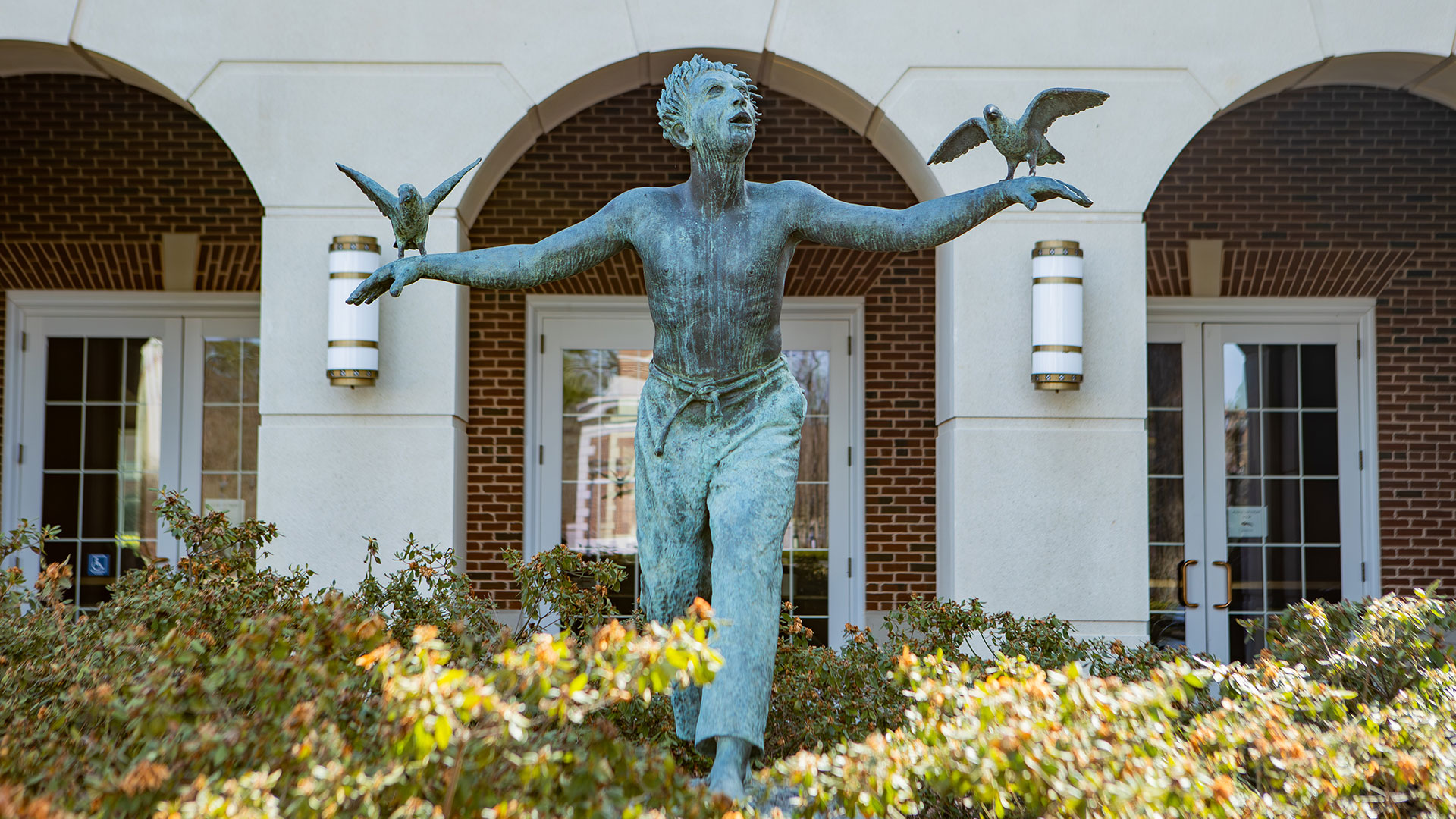
Francesco by Emanuele De Riggi
- Francesco was installed in 2013, portraying a young Francesco caught in a pivotal moment as birds swarm around him and appear to speak the same language. In the language of De Reggi’s work, this figure stands for all of us, if we will seize the promise of the human condition - the feeling of connection, of joy, of the gift of life.
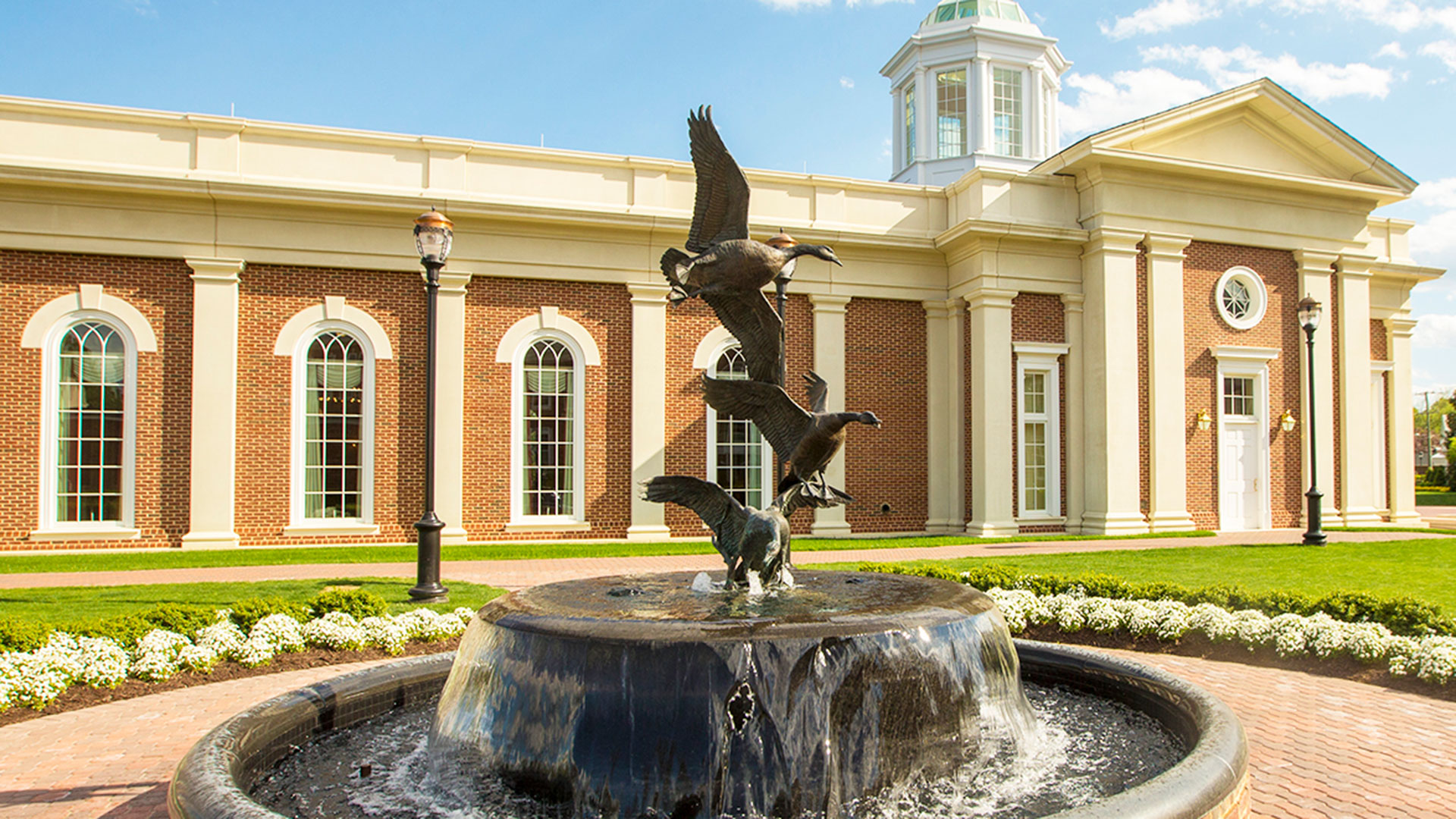
Canada Geese in Fountain by David and William Turner
- The fountain and sculpture is located in Saunders Plaza. Canada Geese in Fountain was sculpted by David and William Turner in 1999 and donated to CNU by Bill and “Tudie” Saunders, Jr. in 2003. The birds represent how students soar beyond CNU and as they pursue careers and service. The fountain plays a key role in a CNU tradition. Students receive a penny when they first take the Oath of Honor and then toss the penny in the fountain on the day they graduate.
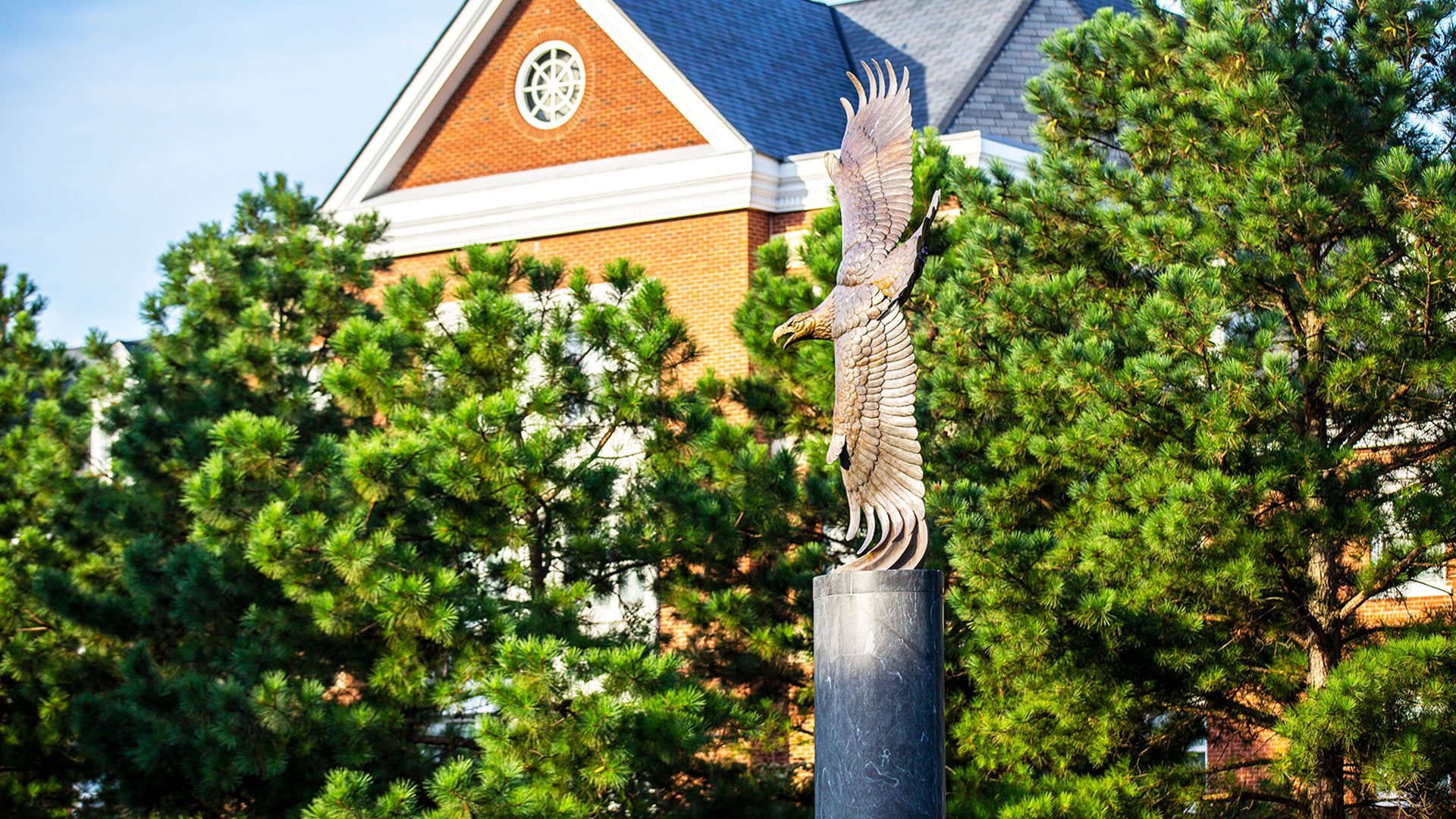
Spilling the Wind by David Turner
- The sculpture was brought to the campus in 2005 and is located outside Potomac River Hall. Spilling the Wind was cast in silicon bronze in the artist’s personal foundry, which he has operated with his father since 1983. Since Roman times, the eagle in art has been a symbol of power and clear vision.
Here, the artist has placed the eagle in an almost vertical soaring motion. One wing reaches heavenward and the other points down to earth. Meanwhile, those sharp eyes are looking ahead – perhaps to the future. Notice the color variation, which is due to the application of a special patina that defines the feathers and helps protect the bronze.
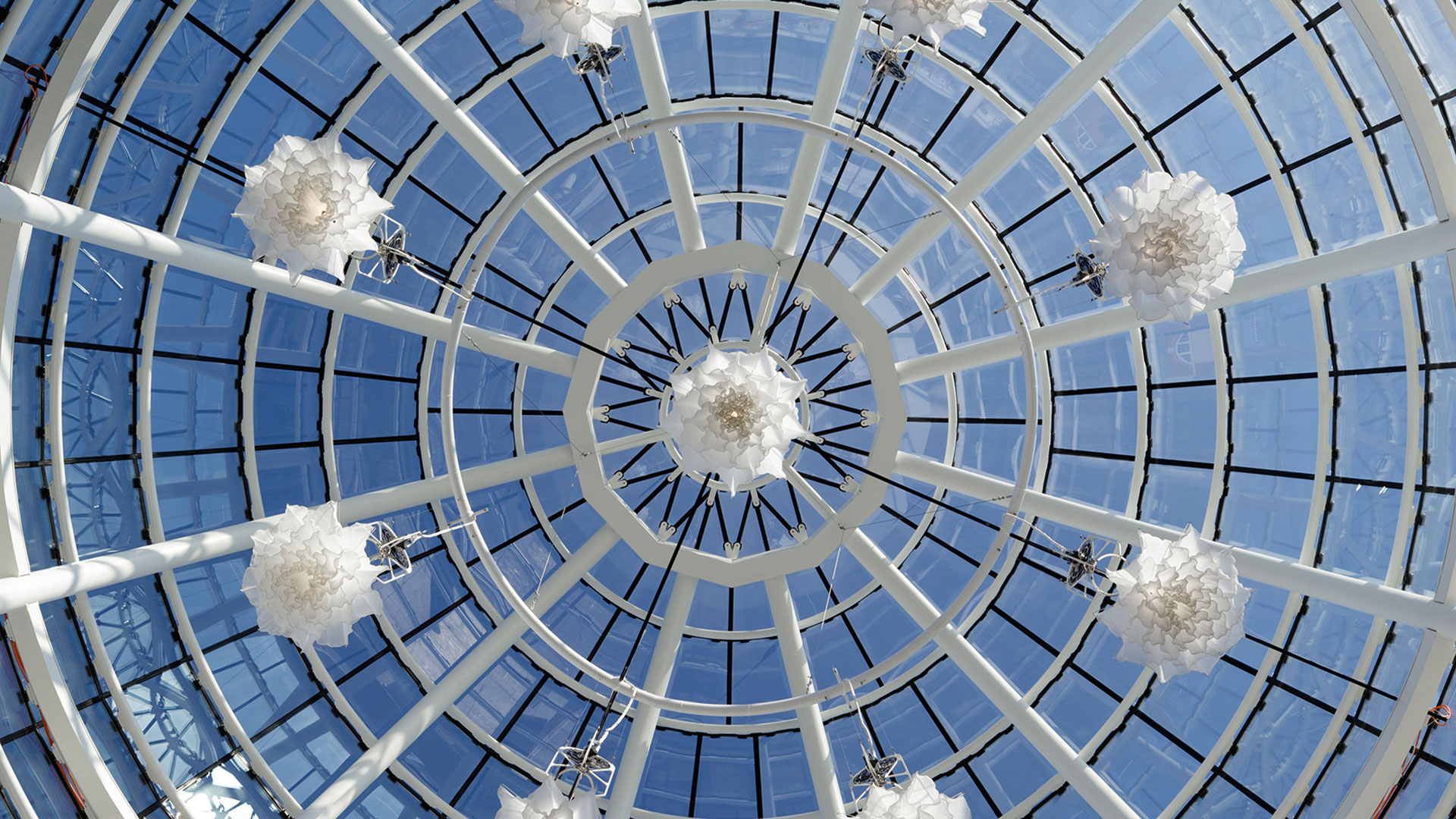
Shylight by Studio DRIFT
- Shylight was installed in 2021 at the Torggler Fine Arts Center. Shylight is made of many layers of silk and are controlled by a timed wire system that gives the effect that they're choreographed. The inspiration comes from flowers that close at night, usually for self-defense or to conserve their resources. Shylight was donated to the Torggler as a permanent installation by Liz and John Warters.
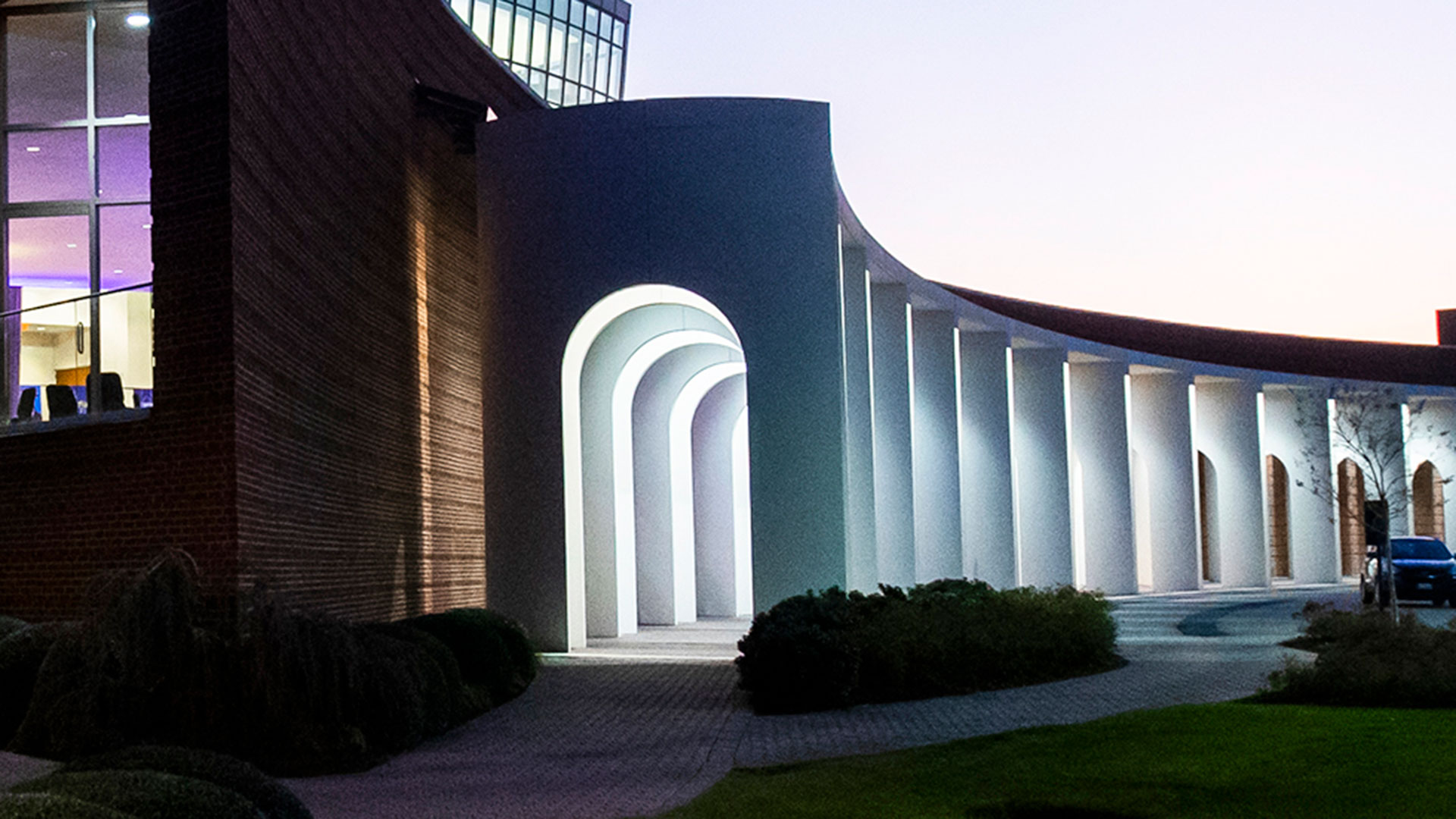
Ferguson Center Arches by I.M. Pei and Henry Cobb
- Ferguson Center Arches were designed by the renowned architects I.M. Pei and Henry Cobb, the Ferguson Center for the Arts (2005) features spectacular performance spaces and an arched and curved colonnade.
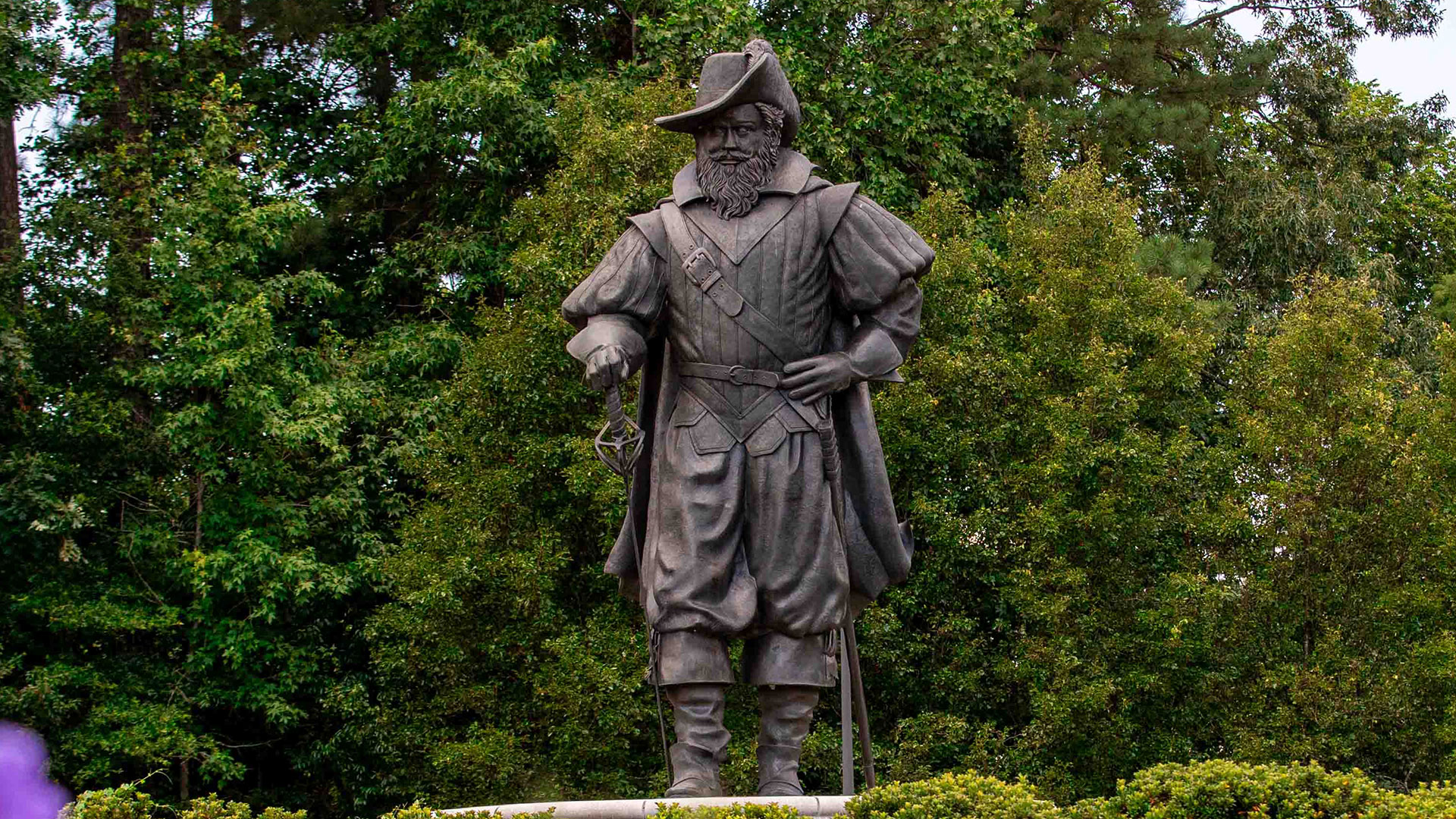
Christopher Newport by Jon Hair
- Christopher Newport was installed in 2007. Christopher Newport was an English ship captain and adventurer. In 1607, he helped establish the first permanent English colony in North America at Jamestown. The statue depicts Newport with both hands, while it is historically documented that Newport lost his right arm in 1590.
Other significant installations and examples of public art:
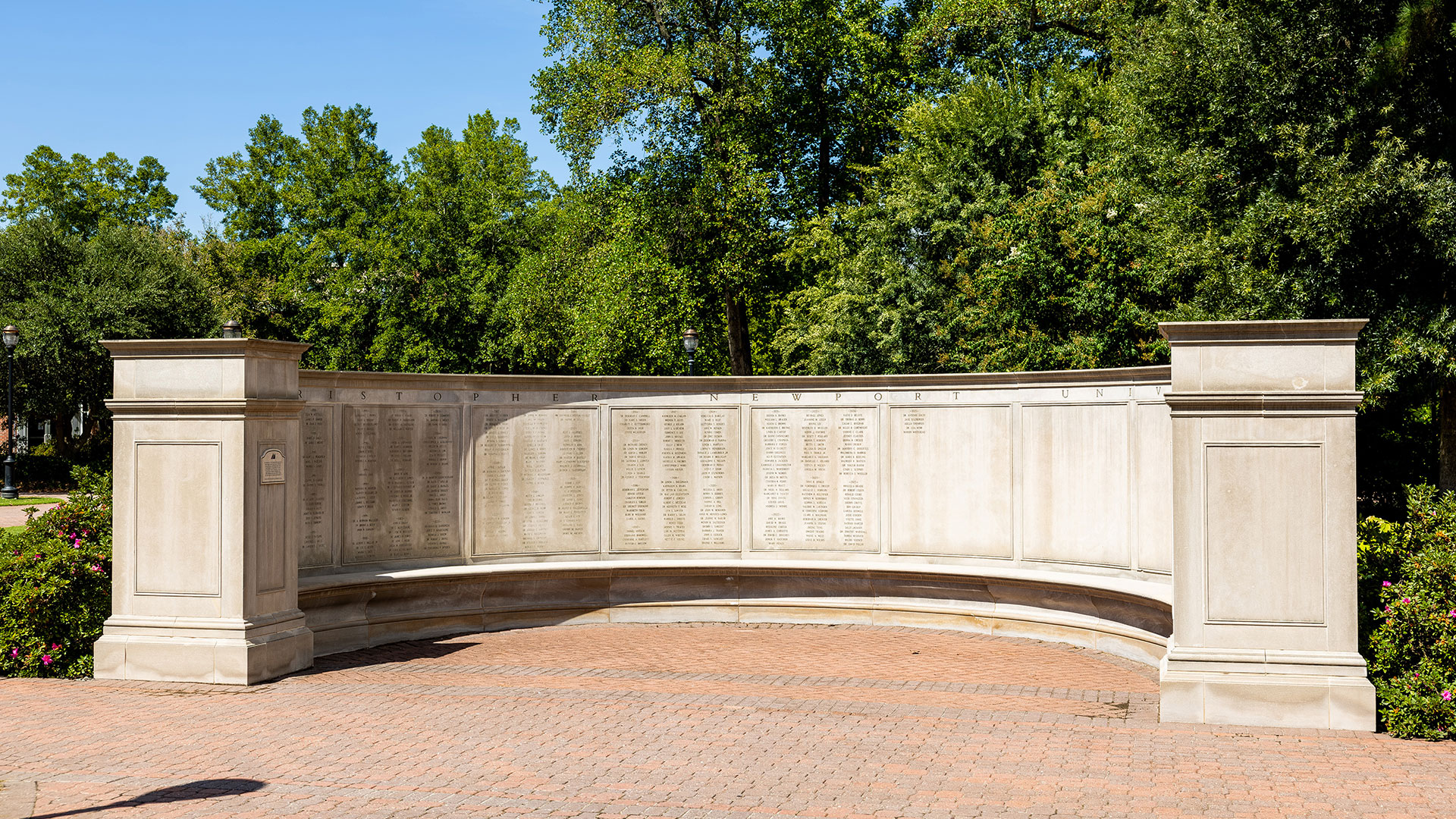
This monument is located behind the Hoinkes belltower. In honor of the dedicated faculty and staff who faithfully served Christopher Newport University and who contributed immensely to the success of our students, these names are etched on this exedra and are listed here by the year of their retirement. It was dedicated on October 18, 2014.
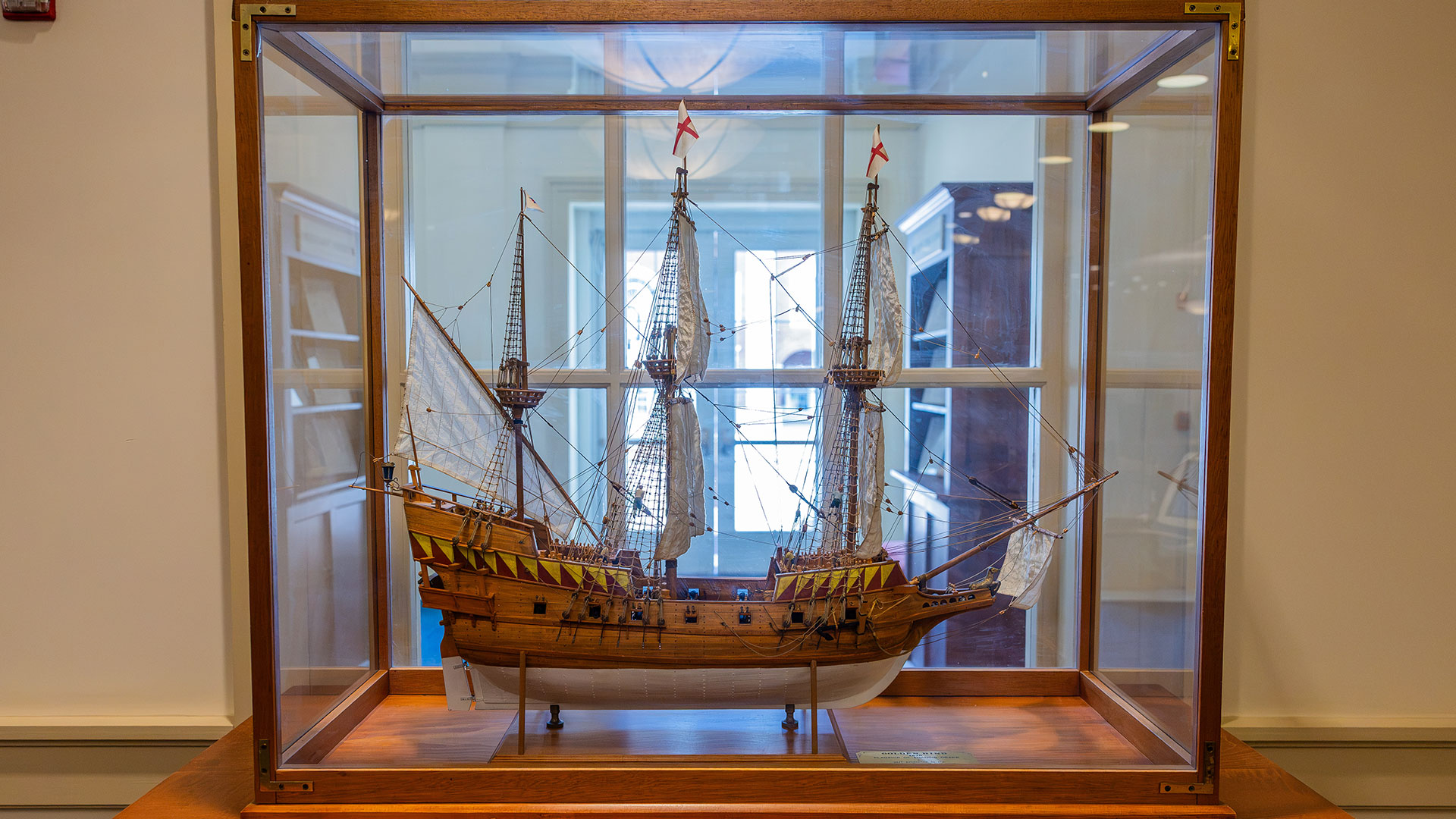
The model is located in the main entryway of the Trible library. A gift presented to the Christopher Newport University Educational Foundation by Mr. and Mrs. Harrot A. Brauer Jr. in December 1994, Golden Hind was a galleon captained by Francis Drake in his circumnavigation of the world between 1577 and 1580. After Drake's circumnavigation, Golden Hind was maintained for public exhibition at the dockyard at Deptford, London. The ship remained there from 1580 to around 1650 before the ship eventually rotted away and was broken up. There is now a full sized reconstruction of the ship located in London on the south bank of the Thames.
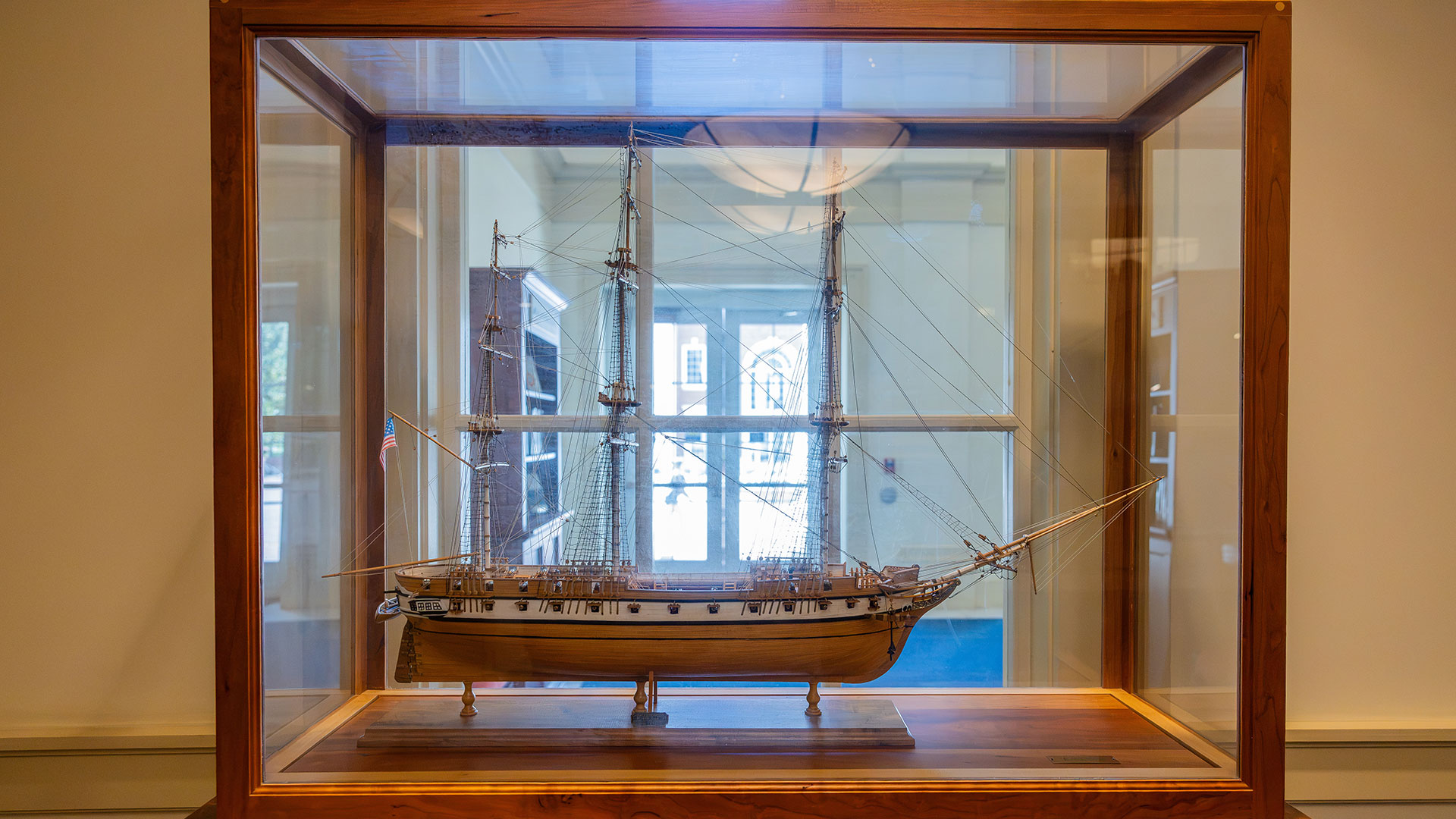
The model is located in the main entryway of the Trible library. The ship was built at The Joseph and Samuel Sterett shipyard on Harris Creek in Baltimore's Fell's Point maritime community, and was launched on September 7, 1797. The Flag Act of 1777 explains the stars in the flag are "representing a new constellation", which is where this ship gets its name. In 1853, the Constellation was disassembled at the Gosport Navy Yard in Portsmouth, Virginia.
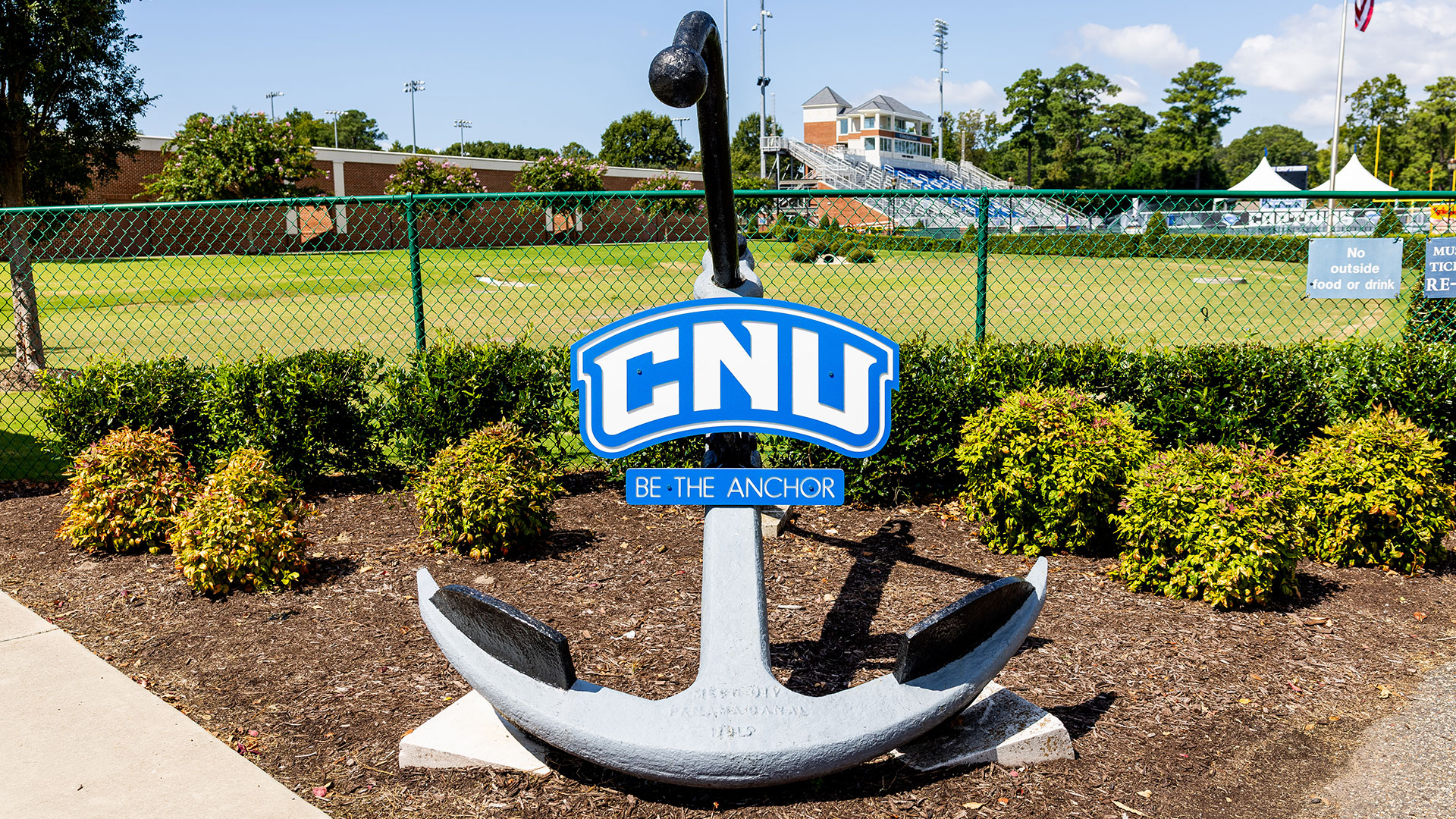
Located by Jennings Family Stadium. This sculpture is a representation of how CNU and its captains are anchored in excellence.
The model is located in the lobby of the Pope Chapel. This is a miniature version of the statue located by the Potomac River Halls.
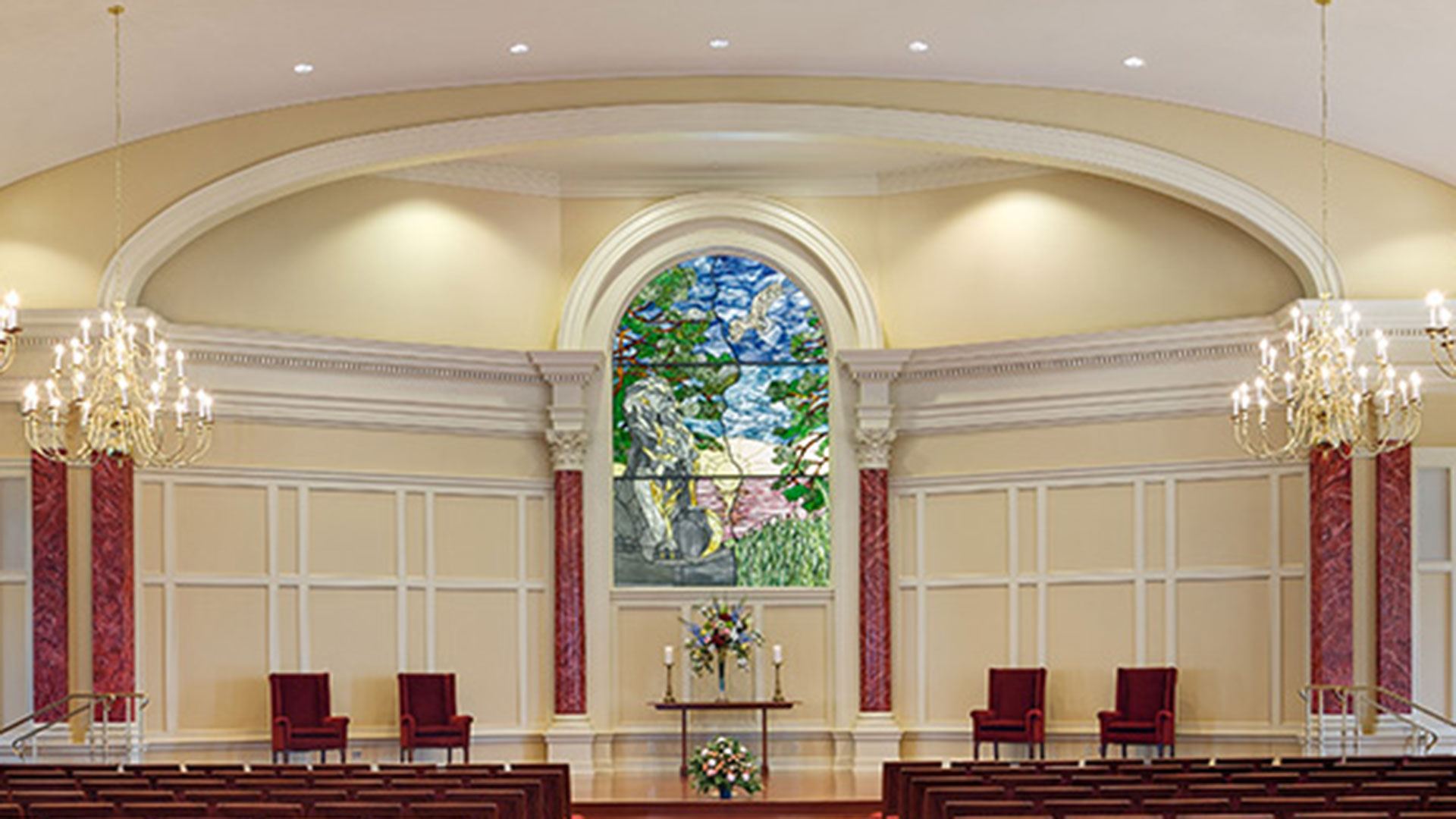
The stained glass window is located in the Celebration Hall. The stained glass depicts one of the lions at Lions Bridge, which is located in nearby Mariners’ Park.
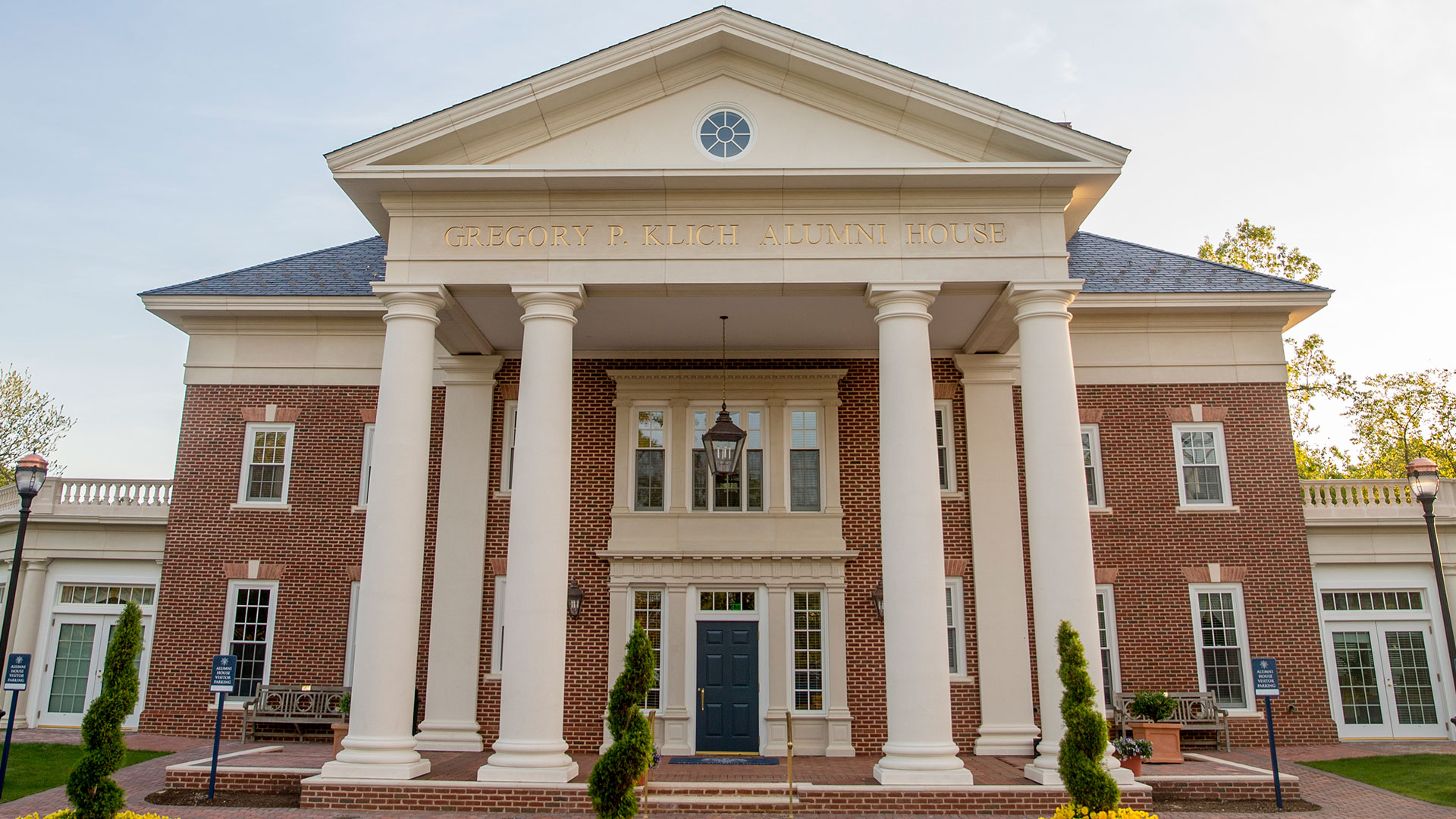
When Christopher Newport's alumni return to campus, they can find a place to call home, reconnect with their peers, and reminisce in the Gregory P. Klich Alumni House. Christopher Newport's narrative is told through the several donated archives of the Gregory P. Klich Alumni House. The Alumni House Museum displays our rich history, from the first Christopher Newport College diploma to mementos from our first ten years to our more recent traditions.
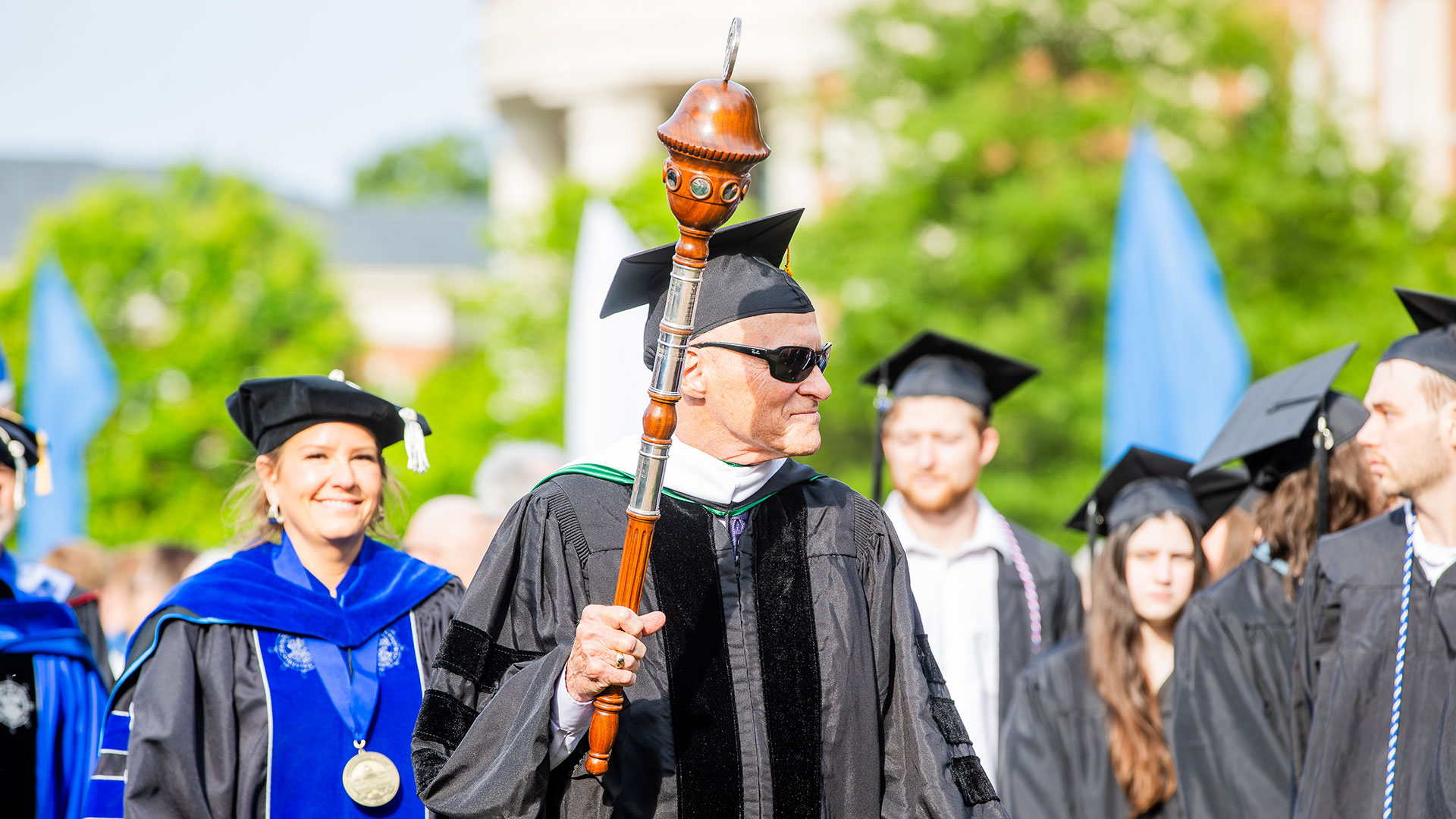
The mace is located in the main lobby of the Alumni House. To acknowledge Christopher Newport’s independence from William & Mary in 1977, then-president Dr. James Windsor and other campus officials thought it was important to provide the institution with an official mace. Utilized for military purposes in medieval times, maces are now considered symbols of authority and this one is used at major University academic events.
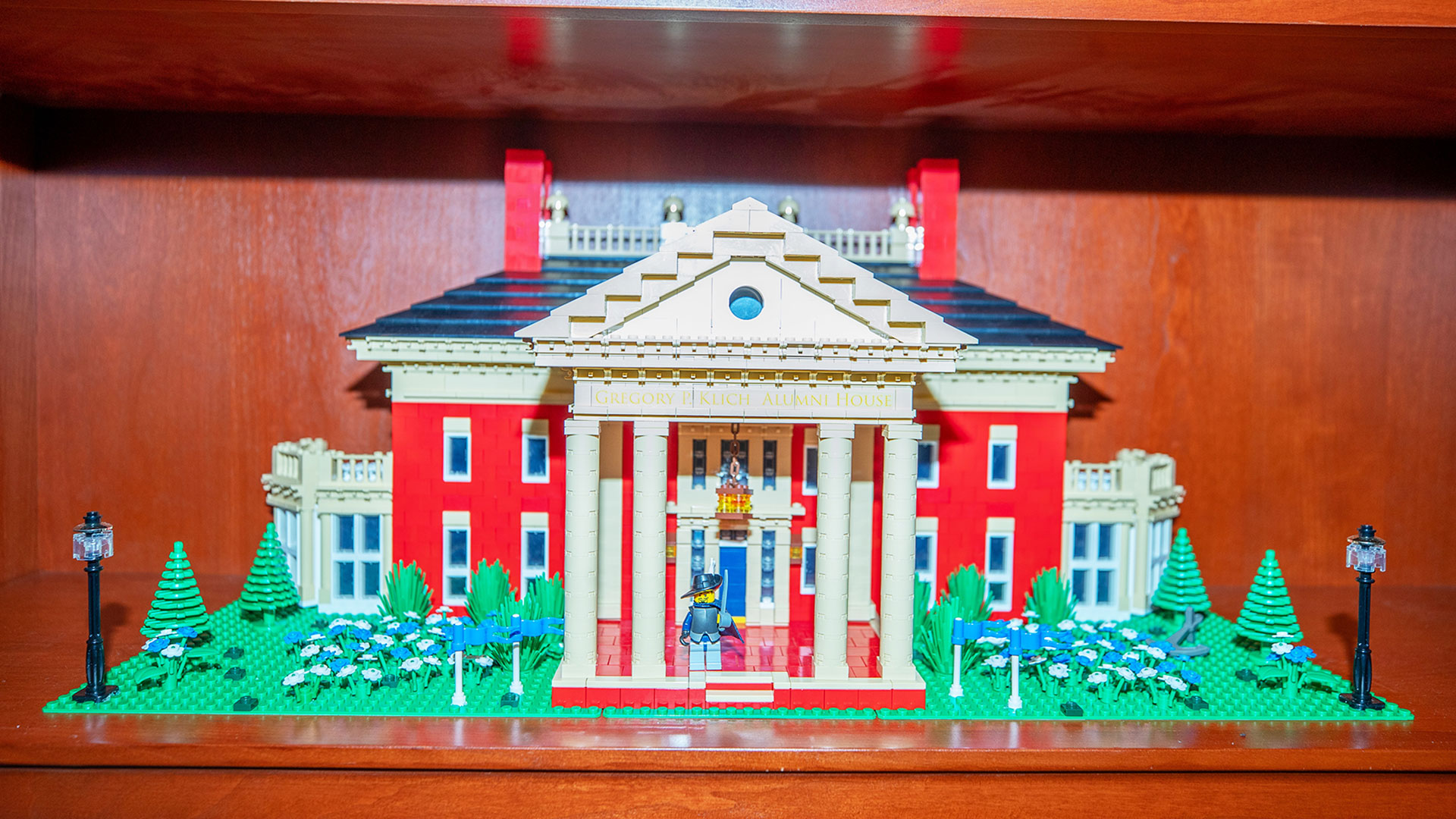
The model is located in the Davis Library in the Alumni House. A.J. Jelonek received his B.A. in Theater from Christopher Newport University in 2015. In 2020, Assistant Vice President of Alumni Engagement and University Advancement Baxter Vendrick was searching for something that would delight children of all ages. After viewing Jelonek’s other work, he believed a CNU-themed LEGO creation would be appropriate. In order to test Jelonek’s creativity, Vendrick asked him to create a LEGO model of the Alumni House. The LEGO model is made up of 3,239 bricks and took two days to build.
Elements and Francesco were installed in cooperation with the Newport News Public Art Foundation.
Thanks to Charlotte Minton ’27 and the Office of Research and Creative Activity for their contributions to this project.